
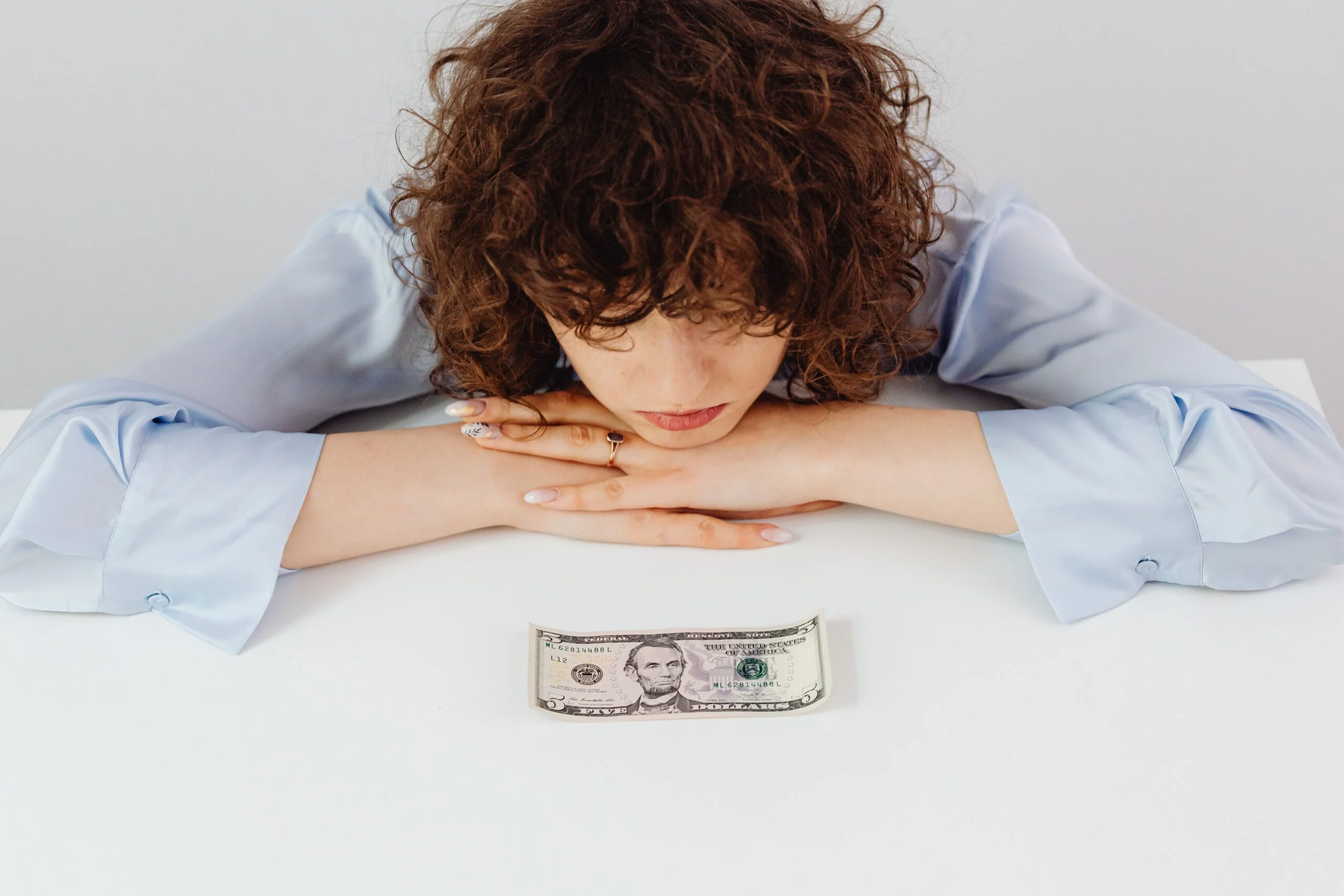
You’ve had a rough day. Work was a mess, someone canceled plans on you, or maybe it’s just one of those gray Tuesdays that feels heavier than it should. So you open your phone, scroll over to your favorite online store, and twenty minutes later there’s a new candle, a top you didn’t need, and a small dopamine hit sitting in your cart. It feels good for about an hour. Then the guilt shows up, right on schedule.
If that sounds familiar, you’re not alone, and you’re definitely not bad with money because of it. Learning how to stop emotional spending isn’t about white-knuckling your way through every urge or cutting out every little joy in your life. It’s about understanding what’s actually driving the spending and building a few habits that catch you before the “add to cart” button does. That’s what this article walks through — no shame, no deprivation, just a more honest look at what’s going on.
What Causes Emotional Spending, Really
Emotional spending isn’t really about the item you’re buying. It’s about the feeling you’re chasing or trying to avoid. Stress, boredom, loneliness, even celebration — all of these can trigger a shopping impulse, because spending money genuinely does trigger a small reward response in the brain. That’s not a character flaw; it’s just how a lot of us are wired, and retailers have gotten very, very good at exploiting exactly that.
A few common triggers show up again and again: a stressful day at work, scrolling social media and comparing your life to a curated highlight reel, feeling unseen or under-appreciated, or even just habit — like the Sunday-night “treat yourself” routine that’s less about deserving something and more about muscle memory at this point. None of these triggers are wrong to feel. The spending is just one particular way of responding to them, and it’s a way that tends to leave a financial hangover behind.
Signs of Emotional Spending You Might Be Missing
Some emotional spending is obvious — you know exactly why you bought something the moment you clicked “buy.” But a lot of it hides in smaller, sneakier patterns. Here’s what tends to show up:
- You buy things and forget about them within a day or two, or they sit with the tags still on.
- You feel a rush while adding to cart, followed by a flat or guilty feeling shortly after checkout.
- You shop more when you’re tired, stressed, or scrolling late at night rather than when you actually need something.
- You justify purchases with phrases like “I deserve this” or “it’s been a hard week,” even when the item has nothing to do with the stress itself.
- Your bank statement has patterns tied to your mood, not your needs — a rough week at work often means a package (or three) shows up a few days later.
None of these signs mean something is fundamentally wrong with you. They’re just information. Once you can name the pattern, it’s a lot easier to interrupt it.
How to Control Impulse Spending in the Moment
This is the part most people actually want — the practical stuff you can use the next time you feel that urge creeping up.
- Use the 24-hour rule. If it’s not something you need immediately, put it in your cart and walk away for a day. A surprising number of “must-haves” don’t feel nearly as urgent 24 hours later.
- Ask what you’re actually feeling before you buy. Bored? Stressed? Lonely? Just naming the emotion can take some of the power out of the impulse, because you’re no longer running on autopilot.
- Remove the easy path. Delete saved payment info from shopping apps, unsubscribe from tempting marketing emails, and log out of accounts you tend to browse mindlessly. Friction is a genuinely underrated tool.
- Have a cheaper substitute ready. A walk, a phone call with a friend, a favorite playlist, even just making tea — something that gives you a small comfort hit without the receipt attached.
- Set a “fun money” budget instead of banning spending altogether. Cutting yourself off completely often backfires and leads to a bigger binge later. A guilt-free small amount each month, spent however you want, keeps things sustainable.
How to Stop Impulse Buying Long-Term, Not Just in the Moment
The in-the-moment tricks help, but they work a lot better if there’s a bit of structure behind them too. Tracking your spending for a couple of weeks — even just jotting down purchases in a notes app — tends to reveal patterns you didn’t consciously notice, like a Friday-night online shopping habit or a recurring “treat” every time a particular coworker gets under your skin.
It also helps to build in small, planned rewards elsewhere in your life, so spending isn’t the only outlet you’ve got for stress or boredom. That might be scheduling something to look forward to each week that doesn’t cost much — a coffee with a friend, a favorite show, time outside — so the emotional need is being met somewhere other than a shopping cart.
And here’s a slightly unpopular opinion: unfollow or mute accounts that constantly make you want to buy things. Influencer hauls and “get ready with me” shopping content are basically built to trigger exactly the kind of spending you’re trying to get away from. It’s not about cutting off all social media, just being a little more intentional about what’s feeding the urge.
A Realistic Example: Meet Alina
Alina, a 29-year-old teacher, used to notice that her online shopping spiked every Sunday night, right before the work week started. She didn’t connect the dots for a while — it just felt like retail therapy, a small treat before Monday. When she finally tracked her spending for a month, the pattern was obvious: almost every Sunday-night purchase happened within an hour of scrolling through her phone, dreading the week ahead.
Instead of banning herself from shopping altogether, she made two changes. She deleted her saved card info from her favorite apps, so buying something required actually getting up and grabbing her wallet — just enough friction to make her pause. And she started using Sunday evenings for something she actually looked forward to: a call with her sister and a specific show she liked. The urge to shop didn’t disappear overnight, but within a couple of months, her Sunday purchases dropped off almost entirely, and she said she didn’t even miss them.
When It’s More Than Just a Money Habit
Sometimes emotional spending is tangled up with bigger stuff — anxiety, a hard season of life, grief, or patterns that feel bigger than a budgeting fix can solve. If spending feels genuinely out of your control, or it’s creating serious financial or emotional strain, it’s worth talking to a professional, whether that’s a financial counselor or a therapist, rather than trying to white-knuckle it with willpower alone. There’s no shame in that — money and emotions are deeply connected, and sometimes the root of it deserves more support than a blog post can offer.
This isn’t financial advice tailored to your specific situation, just patterns that have worked well for a lot of people trying to build a healthier relationship with spending.
The Takeaway
Learning how to stop emotional spending isn’t about becoming a person who never buys anything fun again. It’s about noticing the moment between the feeling and the purchase, and giving yourself a little more room to choose what happens next. Track your patterns, build in some friction, keep a small guilt-free budget for the fun stuff, and find a few go-to comforts that don’t come with a receipt. Progress here tends to look like fewer impulse buys over time, not a sudden, perfect stop — and that’s a completely normal way for this to go.
FAQ
Is emotional spending the same as being bad with money? Not at all — it’s a common response to stress or other emotions, not a reflection of your overall financial skills. Plenty of people who are otherwise disciplined with budgeting still struggle with emotional spending in specific situations.
How do I stop emotional spending without feeling completely deprived? Building in a small, planned “fun money” amount each month tends to work better than cutting spending out entirely, since total restriction often leads to a bigger binge later.
What’s a quick way to tell if a purchase is emotional or practical? Ask yourself if you’d still want the item after waiting 24 hours, and whether you were feeling a specific emotion right before you decided to buy it. If the urge fades with time or wasn’t really about the item itself, it’s probably emotional.


