
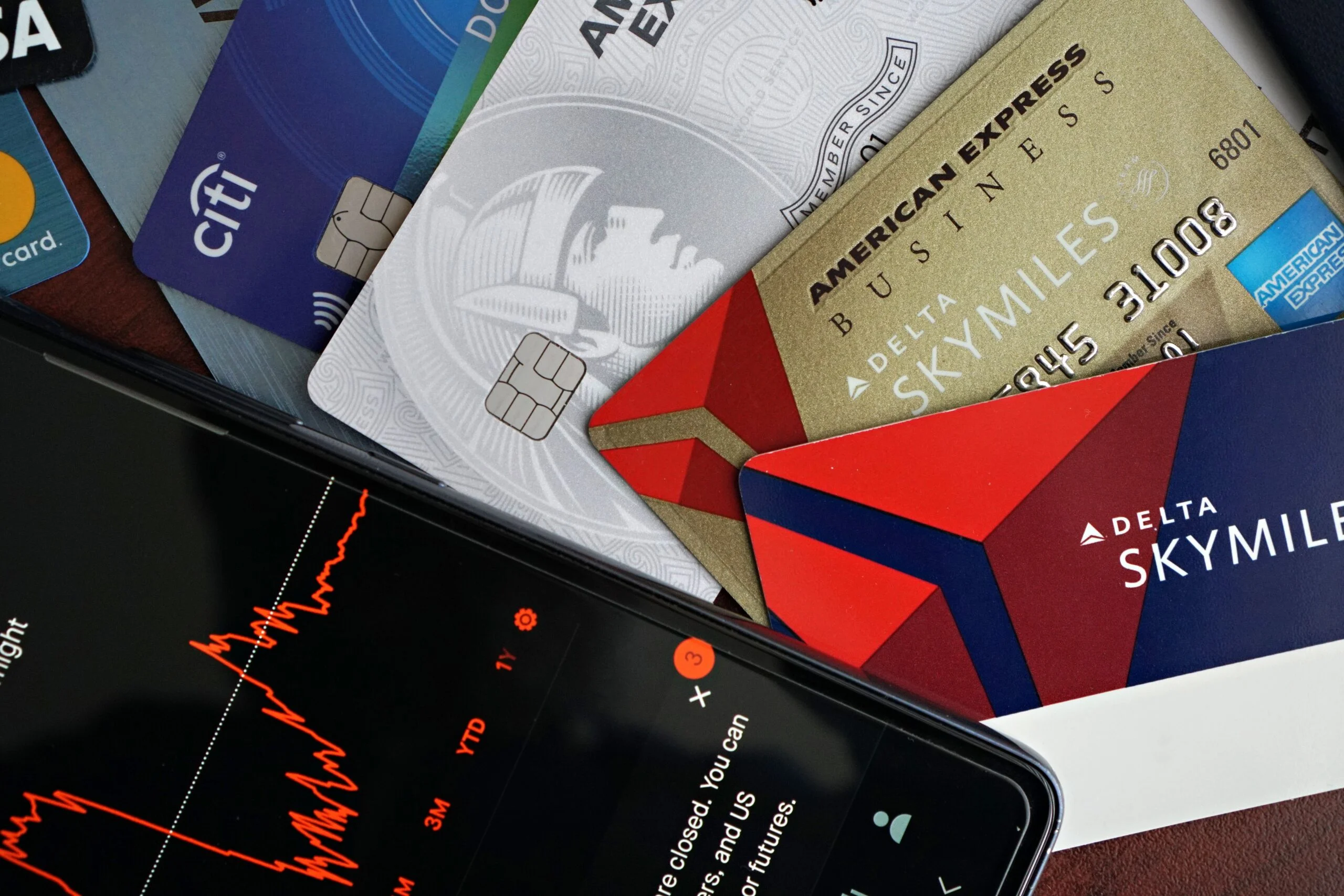
Getting your first credit card feels like a small rite of passage, doesn’t it? You fill out the application, you wait a few days, and then that little rectangle of plastic shows up in the mail like it’s supposed to unlock adult life. But here’s the thing nobody tells you at the mailbox: how you use that first card matters way more than getting approved for it in the first place.
I remember helping my younger cousin pick out her first card a couple of years back. She was 19, working part-time at a coffee shop, and convinced she needed a card with airline miles because “traveling sounds fun.” I had to gently steer her toward something way more boring — a secured card with no annual fee — and she was a little disappointed at first. Fast forward two years, and she’s got a credit score in the mid-700s and just got approved for her first apartment lease without a cosigner. Boring won.
This guide walks through the first credit card tips that actually matter: how to choose your first credit card, the mistakes that trip up almost everyone starting, and how building credit as a beginner really works when you strip away the marketing noise.
Why Your First Credit Card Choice Actually Matters
A lot of people treat their first card like it’s disposable — just a tool to get some points and figure it out later. But your first card sets the tone for your entire credit file. The account age matters (older accounts help your score), and if you start with bad habits like carrying a balance every month, those habits tend to stick.
Think of it less like picking a coffee order and more like picking a gym you’re going to commit to. You want something you can actually stick with long-term, not something flashy that burns you out — or in this case, burns a hole in your credit score.
How to Choose Your First Credit Card
This is where most beginners get overwhelmed. There are hundreds of cards out there, and the internet is full of “best cards” lists written for people with 750+ scores and six-figure incomes. That’s not you yet, and that’s fine.
Here’s what actually matters when you’re starting:
- No annual fee. You don’t need to pay $95 a year to learn how credit works. Save that for later once you know what you’re doing.
- Low or no credit history requirement. Look specifically for cards marketed to students or “building credit” — issuers design these knowing you’re new.
- A secured card if you’re starting from zero. You put down a deposit (often $200–$500) that becomes your credit limit. It feels less exciting, but it’s one of the most reliable on-ramps into credit history.
- A card from a bank you already use. It makes managing everything in one app a lot simpler, and sometimes existing customers get easier approval odds.
- Skip the rewards chase for now. Cash back on a $500 limit card isn’t going to change your life. Focus on the habit first, the perks later.
Retail store cards deserve a quick mention here, too — they’re often easy to get approved for, but they tend to carry sky-high interest rates and lower limits. They can work in a pinch, but they’re rarely the smartest first move.
Credit Card Mistakes to Avoid
I’ve watched a lot of people — myself included, years ago — make the same handful of missteps early on. None of them are dumb people making dumb choices; it’s just that nobody explained the rules clearly before handing over a piece of plastic with a spending limit attached.
- Only paying the minimum. This is the big one. Credit card interest compounds, and minimum payments are calculated to keep you paying for a very long time. Paying $35 a month on a $1,200 balance can drag out for years once interest piles on.
- Maxing out the card. Your credit utilization — how much of your limit you’re using — is a major score factor. Even if you pay it off, running the balance up to the limit every month can hurt you.
- Missing payment due dates. One late payment can sit on your credit report for years. Set up autopay for at least the minimum, even if you plan to pay more.
- Applying for too many cards too fast. Each application creates a hard inquiry, and a cluster of them in a short window can make lenders nervous, not impressed.
- Treating the limit like found money. A $1,000 limit is not the $1,000 you have. It’s $1,000 you’re borrowing and promising to give back, usually with interest attached if you don’t pay in full.
- Ignoring the statement. Skimming your statement each month catches errors, fraud, and creeping fees before they become bigger headaches.
None of these mistakes is a permanent damage sentence, by the way. Credit is forgiving if you correct course early — it’s ongoing patterns that shape your score, not one bad month.
Building Credit as a Beginner: What Actually Moves the Needle
People assume building credit is complicated, but the mechanics are honestly pretty simple — it’s the discipline part that’s hard. Here’s roughly how the pieces are weighted:
- Payment history carries the most weight. Paying on time, every time, is the single biggest lever you control.
- Credit utilization is next. A good general habit is keeping your balance under 30% of your limit, and even lower if you can manage it.
- Length of credit history matters, which is exactly why that first card shouldn’t be closed the second you get a better one. Keep it open, use it occasionally, and let it age.
- Credit mix and new inquiries play smaller roles, especially early on. Don’t stress over these yet.
A simple approach that works for a lot of beginners: put one small recurring expense on the card — a streaming subscription, a phone bill, gas — and set up autopay to clear the full statement balance every month. You’re not “using” the card so much as letting it quietly build a track record in the background while you go about your life.
A Quick Real-World Example
Let’s talk about someone I’ll call Marcus. He got his first card at 22, right after landing his first full-time job. He picked a rewards card with a $150 sign-up bonus because it looked appealing, and within four months, he had a $2,800 balance he couldn’t pay off in full. The interest started eating into paychecks that were supposed to go toward rent.
It took him about a year and a half of disciplined payments to clear that balance. When I talked to him about it later, he said the lesson wasn’t “credit cards are bad” — it was that he’d let the bonus and the swipe feel more important than the plan for paying it back. Now he uses a plain, no-frills card, pays it off weekly rather than monthly, and hasn’t carried a balance since.
That’s really the whole game with a first credit card: it’s less about which card you pick and more about whether you treat it like a tool or a treat.
Getting Approved as a First-Timer
If you’re worried about approval odds, a few things help: applying for a card actually designed for beginners (not a general rewards card), having some income to report — even part-time work counts — and considering a secured card or becoming an authorized user on a parent’s account if you’re starting completely from scratch. Authorized user status can help build history, though it’s worth talking to whoever’s card it is about expectations first, since their habits become part of your record too.
This isn’t financial advice tailored to your specific situation — just patterns that tend to work well for people starting. If your situation is more complicated (existing debt, irregular income, credit challenges), it’s worth talking to a nonprofit credit counselor who can look at your full picture.
The Takeaway
Your first credit card isn’t about the rewards, the shiny metal design, or bragging rights. It’s a quiet, boring tool for proving to future lenders that you’re reliable. Pick something low-risk, pay it off in full, keep it open for years, and let time do the heavy lifting. That’s genuinely most of the strategy — the rest is just staying consistent.
FAQ
Should I get a card with rewards as my first card? It’s not necessary and can actually backfire if the rewards tempt you to spend more than you’d otherwise spend. A no-fee, no-frills card is usually the smarter starting point.
How long before my first card helps my credit score? Most people see an initial score after about six months of activity, since that’s when many scoring models have enough data to generate a number. It builds gradually from there.
Is a secured card worse than a regular credit card? Not really — it functions the same way day-to-day. The deposit is just collateral for the issuer, and many secured cards convert to regular unsecured cards after a period of responsible use.


